
Gold has always carried a quiet kind of magic. Whether it is worn as a cherished ring or passed down as a family treasure, each piece tells a story. Among all its forms, rose gold and yellow gold remain two timeless favourites.
To appreciate them fully, it helps to understand what rose gold truly is, how it stands beside yellow gold, and what karat gold is best for everyday use. When you understand these details, choosing the right piece becomes effortless, personal and meaningful.
What Is Yellow Gold and Why Has It Remained a Classic?
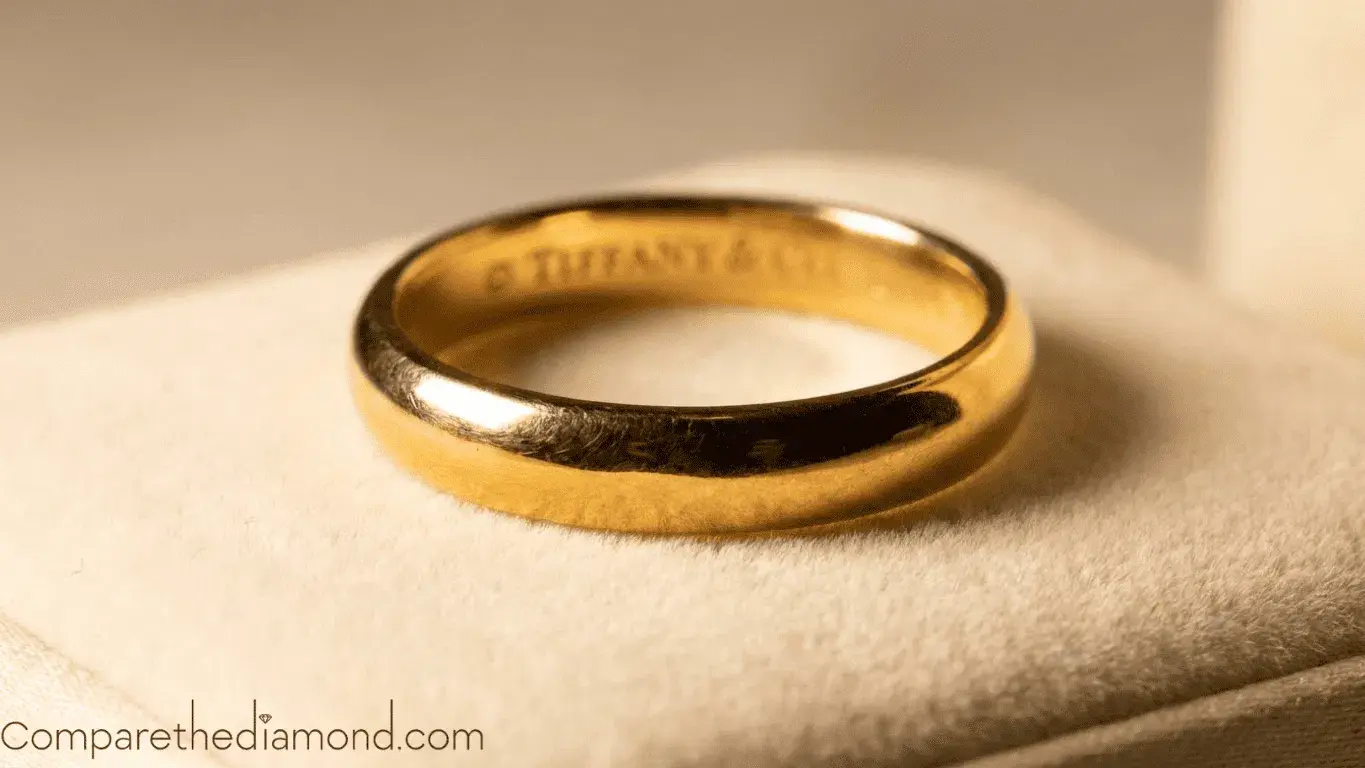
Yellow gold is the colour most people imagine when they think of gold. Its warm glow is created by blending pure gold with silver and copper.
Pure 24-carat gold is too soft for daily wear, so jewellers craft stronger alloys like 22K, 18K, 14K and 9K. What makes yellow gold special is not just its colour — it's the way it feels timeless and familiar.
It carries tradition, heritage and a sense of continuity. Whether worn in a wedding band or a simple everyday ring, yellow gold adds elegance that never fades out of style.
Rose Gold vs Yellow Gold: Understanding Their Unique Appeal
Some metals capture attention instantly, and rose gold is one of them. Its soft blush tone gives it a romantic charm, while yellow gold offers a classic and confident glow. Comparing them helps you understand why each one has a place in modern jewellery.
Colour That Speaks Emotion
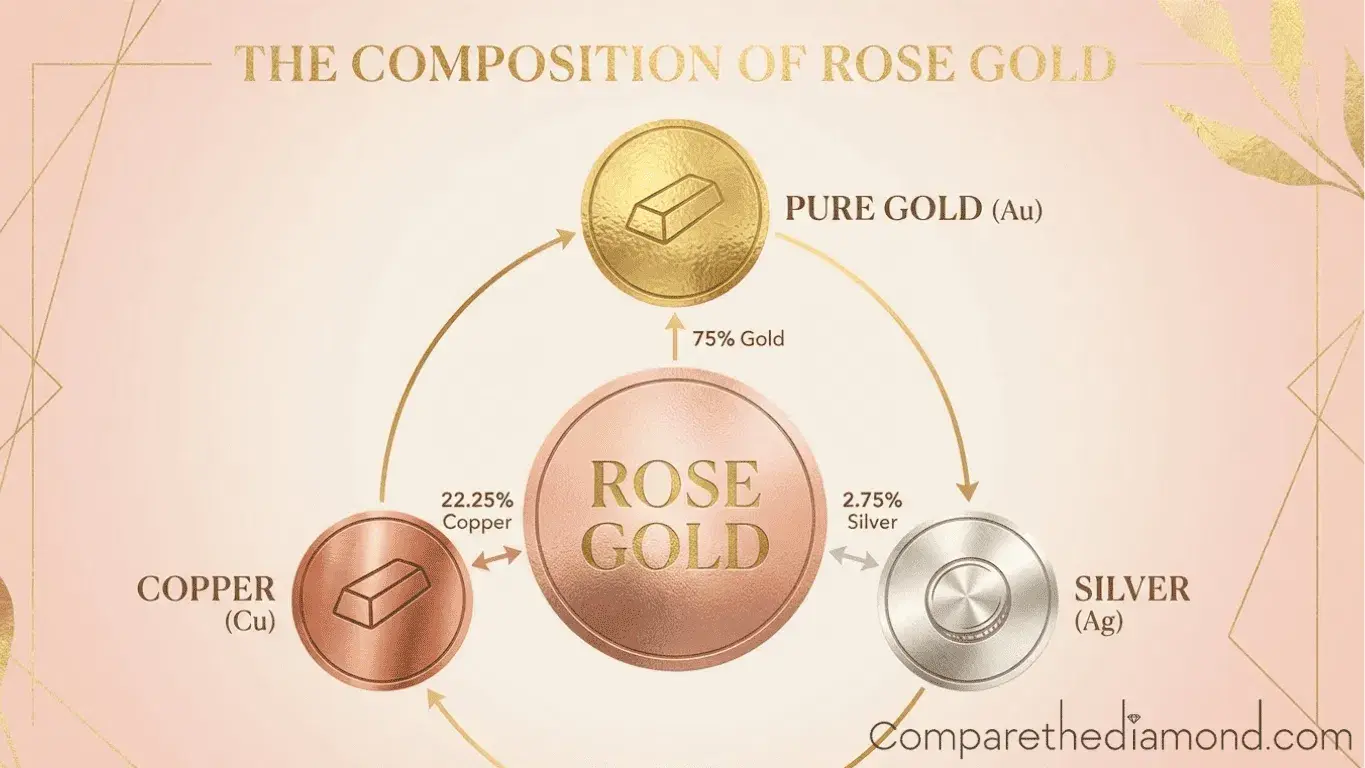
Rose gold has a gentle pink tone because of its copper content, creating a warm, romantic look.
Yellow gold has a rich, traditional golden shade that feels familiar and timeless.
Durability for Real Life
Because copper strengthens the alloy, rose gold is naturally a bit tougher.
Yellow gold, especially in higher karats, may pick up scratches more easily but can be polished back to a mirror shine.
Matching Personal Style
Rose gold suits calm, modern, soft aesthetics, while yellow gold fits bold, classic and traditional styles.
Both are beautiful in their own way; the right choice depends on your taste and your lifestyle.
What Karat Gold Is Best for Everyday Use?
Daily-wear jewellery should balance beauty and durability. This makes karat selection more important than most people realise.
Understanding Everyday Durability
-
9K gold is the strongest because of its high alloy content, but has a slightly muted tone.
-
14K gold offers the best balance of strength and shine, making it ideal for everyday life.
-
18K gold is richer and more luxurious, suitable for daily wear but softer than 14K.
-
22K gold looks stunning but is often too soft for everyday rings.
For most people, 14K gold is the most practical everyday choice, while 18K gold is preferred when beauty and purity are equally important.
The History of Rose Gold: A Colour Shaped by Time
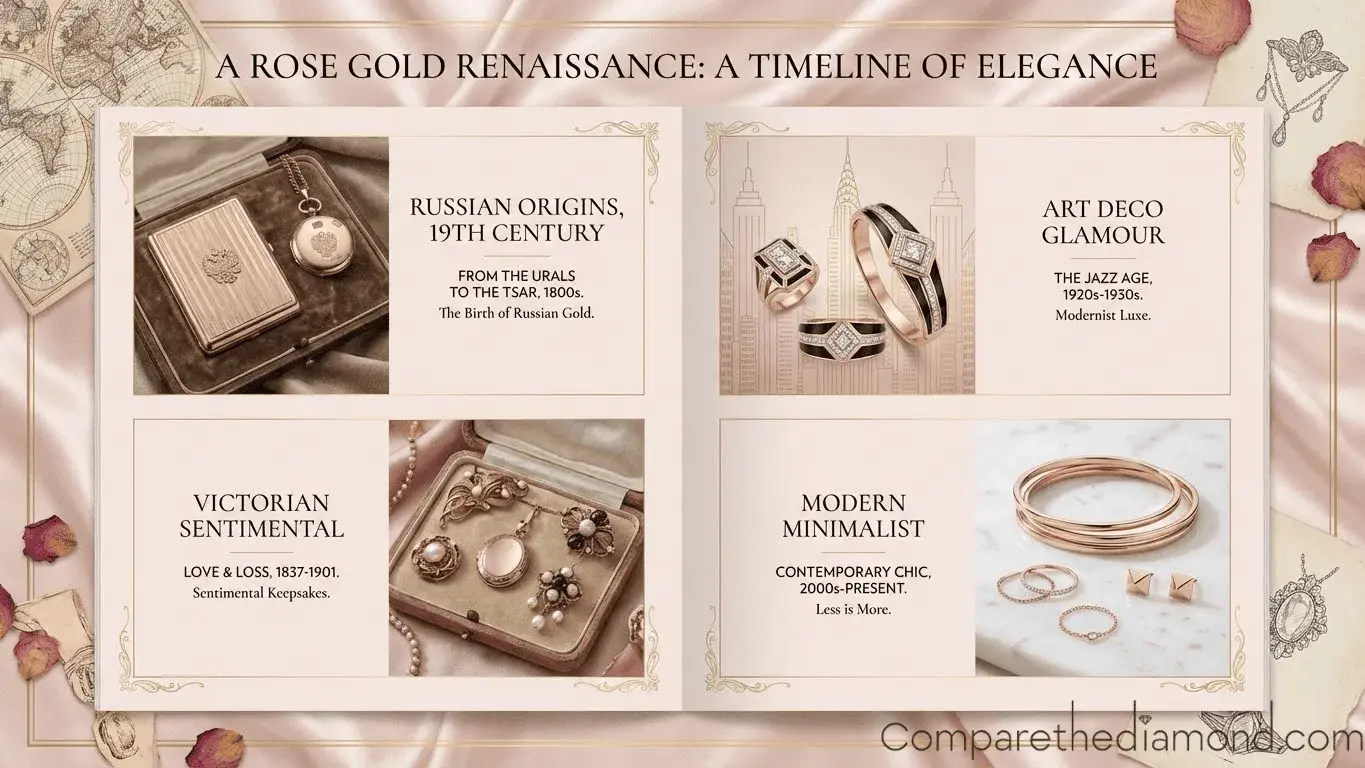
Rose gold carries a history as beautiful as its colour. It first gained popularity in 19th-century Russia, where it was admired for its unique, romantic blush. Later, it resurfaced during the Victorian era as sentimental jewellery became popular. By the time the Art Deco period arrived, rose gold once again captured attention with its bold yet elegant hue.
Today, rose gold blends old-world charm with modern sophistication, making it a favourite for engagement rings, fashion jewellery and luxury watches.
How to Care for Gold Jewelry So It Lasts a Lifetime
Caring for gold jewellery is not complicated, but small habits make a big difference. These practices keep your gold glowing and prevent unnecessary damage.
Daily Habits That Protect Your Gold
-
Remove jewellery during activities like cleaning or cooking.
-
Store each piece separately in a soft pouch or lined jewellery box.
-
Put on jewellery after applying perfumes, lotions or cosmetics.
These simple habits protect both the metal and the settings from dullness and residue.
Cleaning Your Gold Jewelry at Home Step by Step
A gentle cleaning routine helps keep your gold jewellery looking new.
-
Prepare a bowl with warm water and mild dish soap.
-
Soak your jewellery for 20 to 30 minutes.
-
Brush gently using a soft toothbrush.
-
Rinse under warm running water to remove all soap.
-
Dry thoroughly with a soft cloth.
This method keeps your pieces clean without harming the metal.
Professional Polishing for Long-Term Shine
Even well-maintained gold benefits from professional care. A jeweller can remove deeper scratches, check for loose stones and restore brilliance that home cleaning cannot achieve. An inspection every 12 to 18 months ensures your jewellery remains safe and beautiful.
Final Thoughts: Keeping Your Gold Jewelry Beautiful for Years
Gold jewellery carries memories, moments and meaning. Whether you love the modern softness of rose gold or the timeless glow of yellow gold, understanding their qualities helps you choose pieces that match your lifestyle and sentiment. With the right care and the right karat selection, your jewellery will stay beautiful for generations and continue to tell your story every time you wear it.