






Loose Topaz
Natural topaz, including sky, Swiss and London blue, to buy loose or to set in a ring made to order in our Cotswolds workshop. Every price includes VAT.
174 gemstones
-
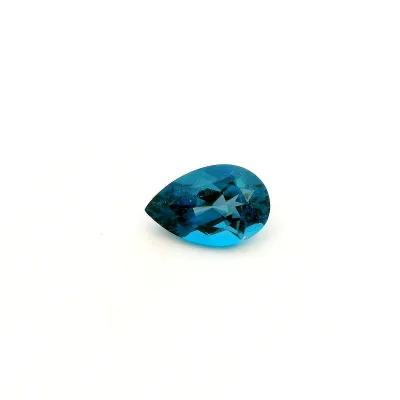 7.29ct Blue Topaz, Pear
£329
View stone
-
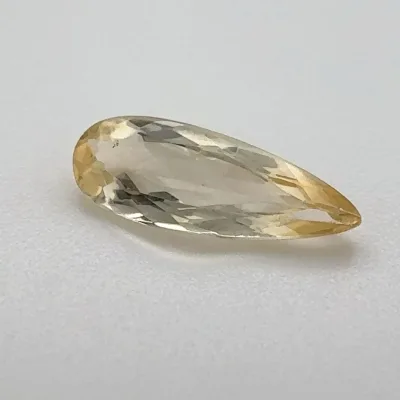 1.08ct Yellow Topaz, Pear
£330
View stone
-
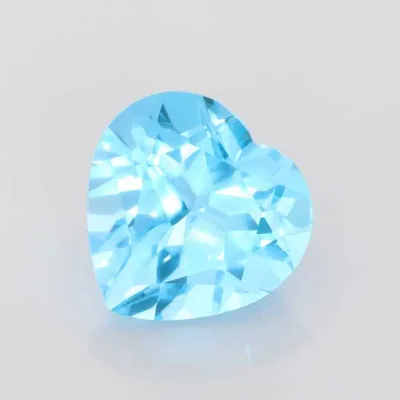 11.50ct Blue Topaz, Heart
£331
View stone
-
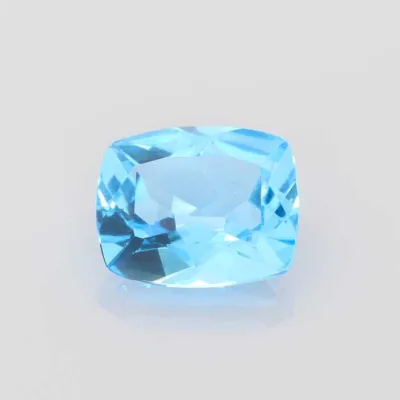 6.50ct Blue Topaz, Cushion
£333
View stone
-
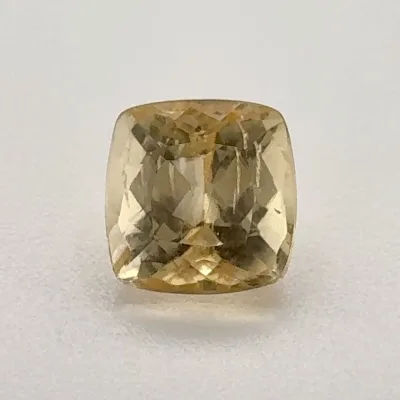 1.41ct Yellow Topaz, Cushion
£334
View stone
-
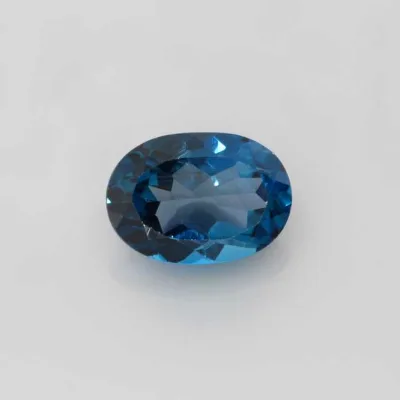 10.46ct Blue Topaz, Oval
£335
View stone
-
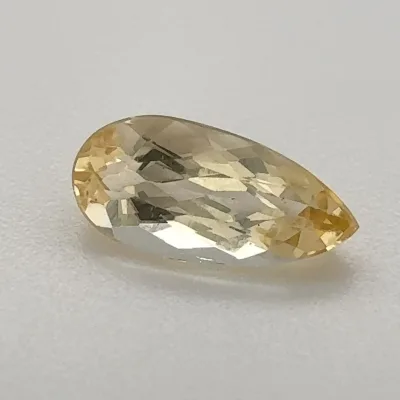 1.22ct Yellow Topaz, Pear
£339
View stone
-
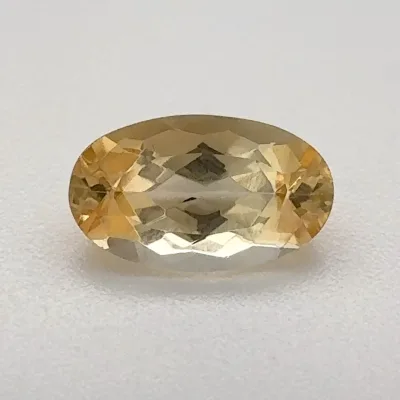 1.53ct Yellow Topaz, Oval
£339
View stone
-
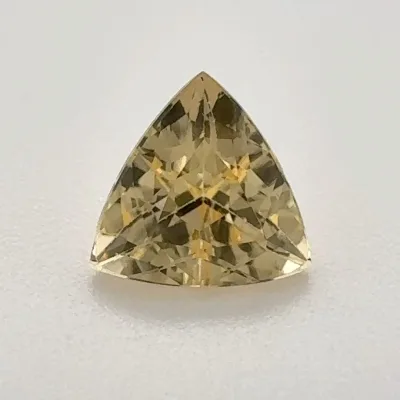 1.29ct Yellow Topaz, Trillion
£340
View stone
-
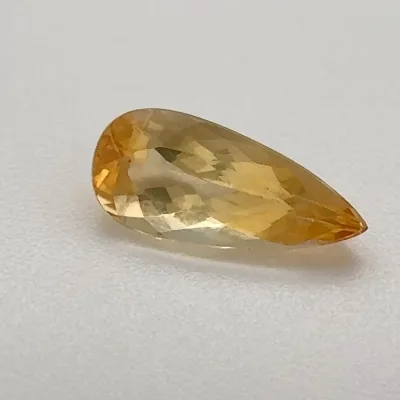 1.23ct Yellow Topaz, Pear
£341
View stone
-
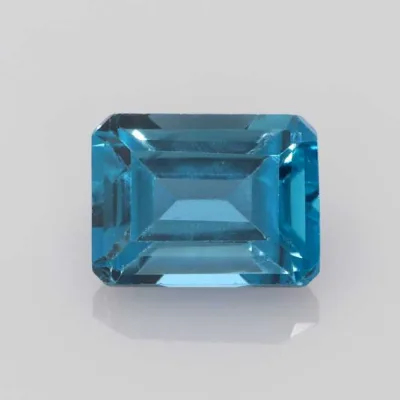 7.74ct Blue Topaz, Emerald cut
£347
View stone
-
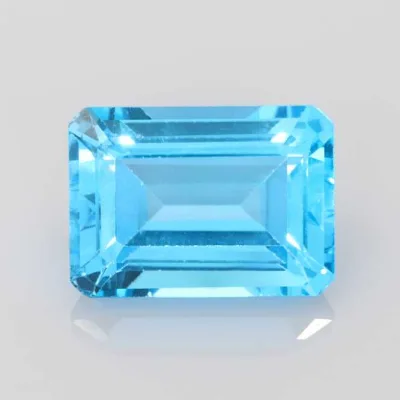 9.05ct Blue Topaz, Emerald cut
£347
View stone
-
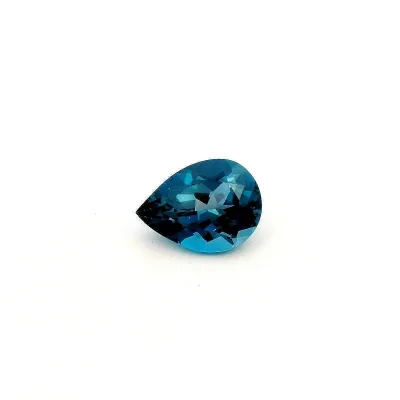 7.75ct Blue Topaz, Pear
£347
View stone
-
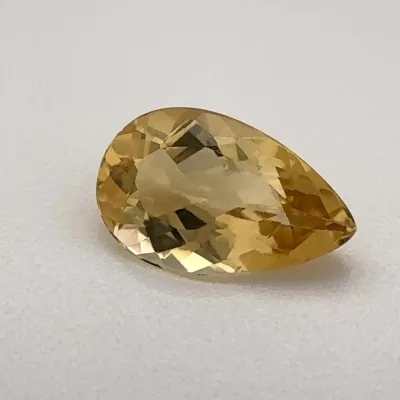 1.32ct Yellow Topaz, Pear
£347
View stone
-
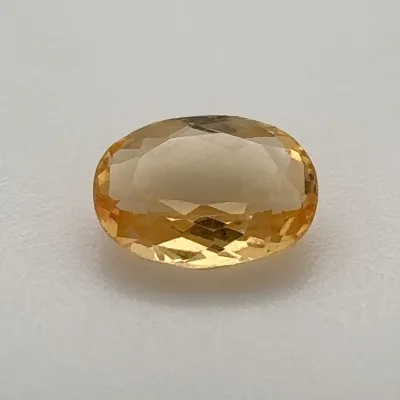 1.21ct Orange Topaz, Oval
£350
View stone
-
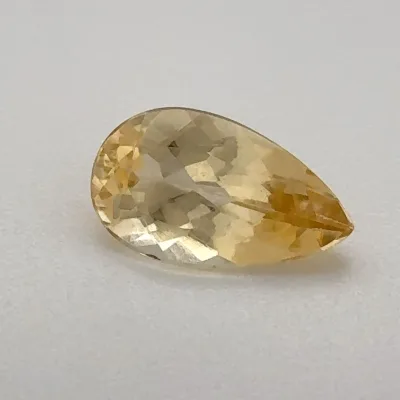 1.27ct Yellow Topaz, Pear
£350
View stone
-
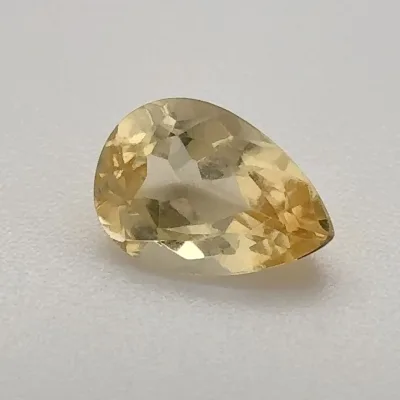 1.41ct Yellow Topaz, Pear
£351
View stone
-
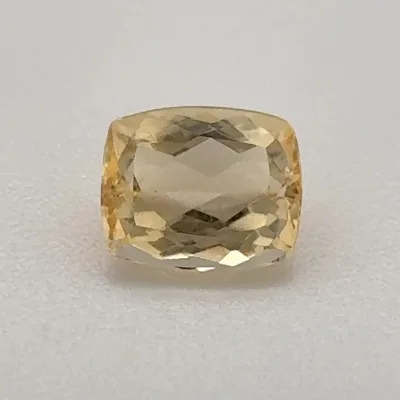 0.80ct Yellow Topaz, Cushion
£351
View stone
-
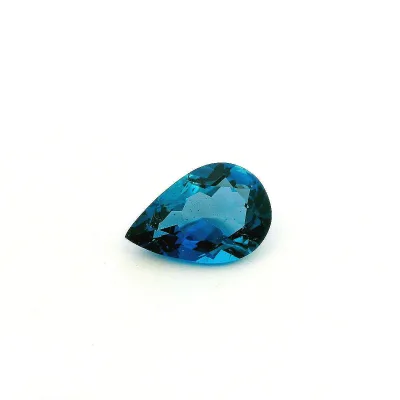 7.88ct Blue Topaz, Pear
£352
View stone
-
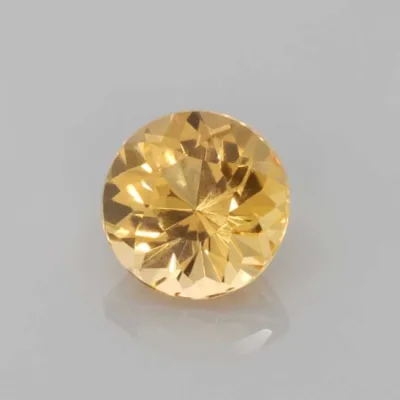 1.12ct Yellow Topaz, Round
£354
View stone
-
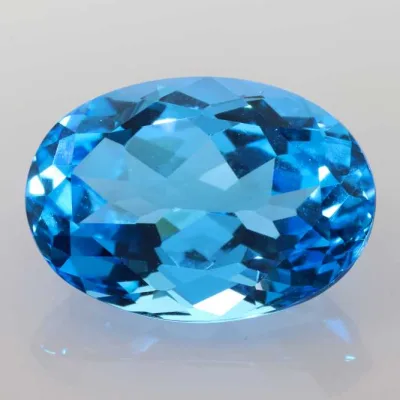 15.87ct Blue Topaz, Oval
£356
View stone
-
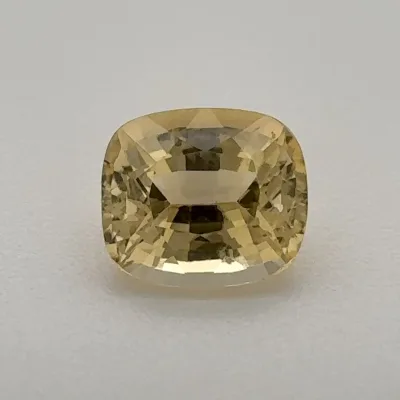 1.29ct Yellow Topaz, Cushion
£356
View stone
-
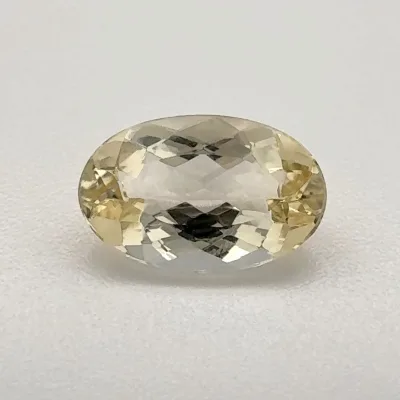 1.44ct Yellow Topaz, Oval
£357
View stone
-
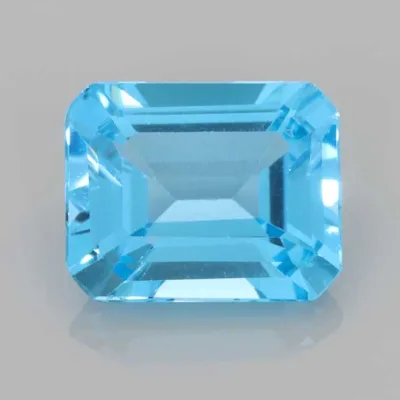 7.59ct Blue Topaz, Emerald cut
£364
View stone
About topaz
Topaz is 8 on the Mohs scale and the birthstone for November. Blue topaz, from sky blue to deep London blue, is given its colour by irradiation and heating, which is permanent. Topaz can chip with a hard knock, so take a ring off for heavy work.
How to choose a coloured gemstone
Colour comes first. The finest stones have a rich, even colour that is neither too pale nor so dark it looks black indoors. Look at the photo and the video where there is one: a well-cut stone shows its colour across the whole face, with few dull or see-through patches.
Size next. Coloured stones weigh more for their size than diamonds, and many are cut deep to hold their colour, so two stones of the same carat weight can look quite different. Check the measurements in millimetres: for a ring, 6 to 8 mm across suits most hands.
Then clarity. Almost every natural coloured stone has small inclusions; they are part of what makes it natural. What matters is that they don't spoil its brightness. Emeralds are the exception to the rule: visible inclusions are expected and accepted.
Treatments, explained
Most coloured gemstones are treated in some way, and that is normal. Heating, the most common, brings out colour and clarity and is permanent. Emeralds are oiled to make their natural fissures show less. Blue topaz is irradiated to give its colour.
Some treatments change the value much more: beryllium diffusion (used for many orange and padparadscha-coloured sapphires) and glass filling (used for some rubies). We show the treatment of every stone on its page and explain what it means, so you always know what you are buying.
Certificates
Many of our stones come with a report from an independent gem laboratory such as GRS, Gübelin, SSEF, AGL or GIA. The report confirms the stone is natural, names it, records any treatment and, for finer stones, its country of origin. Tick "Certified only" to see just those stones.
Set your gemstone in a ring
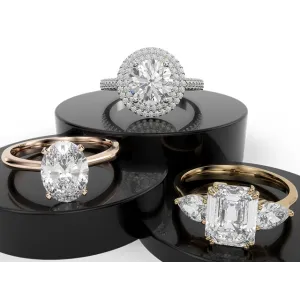
Found a stone you love? We can set it in any of our ring designs, from a classic claw solitaire to a diamond halo or three-stone ring, or design a ring around it. Every ring is made to order in our Cotswolds workshop, usually in 3 to 4 weeks, and hallmarked. Comparethediamond.com is part of 247 Diamonds, a family jeweller since 1969 and a member of the National Association of Jewellers.
Try the shapes and settings in Ring Maker, or ask us on WhatsApp for a quote.
Looking after a coloured gemstone
Sapphire and ruby need very little care: warm soapy water and a soft brush keep them bright. Softer stones such as emerald, tanzanite and topaz should be kept away from ultrasonic cleaners, steam and sudden heat, and taken off for gardening, the gym or heavy work.
Shop by gemstone
Coloured gemstone questions
Can I have a loose gemstone set in a ring?
Yes. Every stone here can be set in any of our ring designs, or in a ring designed for you. We make each ring to order in our Cotswolds workshop, usually in 3 to 4 weeks, and every ring is hallmarked.
Are your gemstones natural?
Yes, every gemstone listed is natural. Many coloured stones are heated to improve their colour, which is normal and permanent. Any treatment we know of is shown on the stone's page.
Which gemstones are best for an everyday ring?
Sapphire and ruby are the hardest gemstones after diamond, so they suit rings worn every day. Emerald, tanzanite, aquamarine and morganite are softer, so we suggest a protective setting such as a halo or rub-over.
What does the certificate tell me?
A gemstone certificate from a laboratory such as GRS, Gübelin, SSEF or GIA confirms the stone is natural, names it and records any treatment. Use the certificate filter to see only certified stones.
Why do coloured gemstones cost less than diamonds of the same size?
Many coloured stones are more plentiful than fine diamonds, and they are priced mostly on colour rather than on a fixed grading scale. The finest rubies, sapphires and emeralds can cost more than a diamond, but most good stones cost far less, so you can choose a larger stone for your budget.
What is the difference between heated and unheated?
Most sapphires and rubies are heated, which improves their colour and is permanent. Unheated stones of the same quality are rarer and cost more. Both are natural gemstones; the stone's page shows which it is.
Can I see the stone before I buy?
Every stone has its own photo, and many have a video. If you would like more pictures, a video call or a stone held for you to see, ask us on WhatsApp and we will help.
How long does delivery take?
Loose gemstones are usually delivered in 7 to 10 days, with free delivery in the UK and Ireland and free returns within 30 days.