
Choosing the perfect diamond is an exciting milestone, but the metal you choose to hold it is arguably just as critical. When it comes to enduring white metals, the conversation always boils down to two heavyweights: platinum and white gold. They look almost identical on the finger, yet their properties, long-term costs, and even maintenance routines couldn't be more different.
With the market price of gold currently sitting at historic highs, understanding this distinction is more important than ever. Is it smart to capitalise on the current value and choose platinum, or is the popular white gold still the optimal choice for your needs? We’ve broken down everything you need to know about the science, cost, and longevity of both metals so you can make a perfectly informed decision on your forever piece.
1. The Composition Breakdown: Purity vs. Plating
The key difference between these two stunning metals is rooted in their chemical make-up—and understanding this helps explain everything else, from shine to maintenance.
Platinum: The Pure Contender
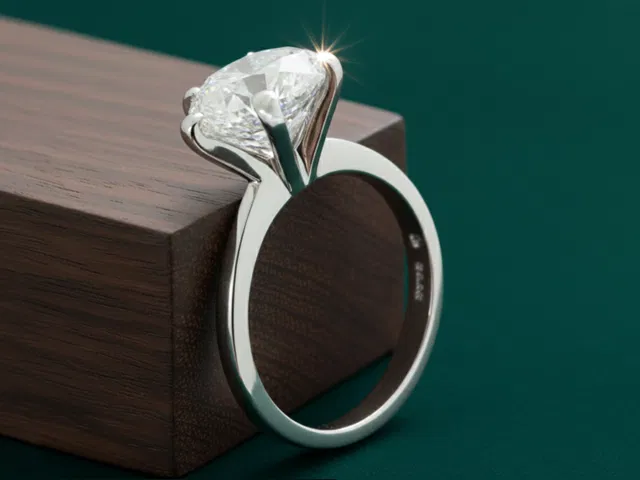
Platinum is a naturally white, noble metal, often described as the truer white metal. When we craft a platinum engagement ring or piece of jewellery, it is typically alloyed with other platinum-group metals to be between 90% (Pt900) and 95% (Pt950) pure.
Purity Advantage: Its high purity makes it significantly denser and heavier than gold. This density gives the finished piece a reassuring heft and superior durability, which is why we often recommend it for pieces meant to be worn daily for decades. This density is also key to why platinum offers excellent long-term security for your stone.
White Gold: The Rhodium-Plated Favourite
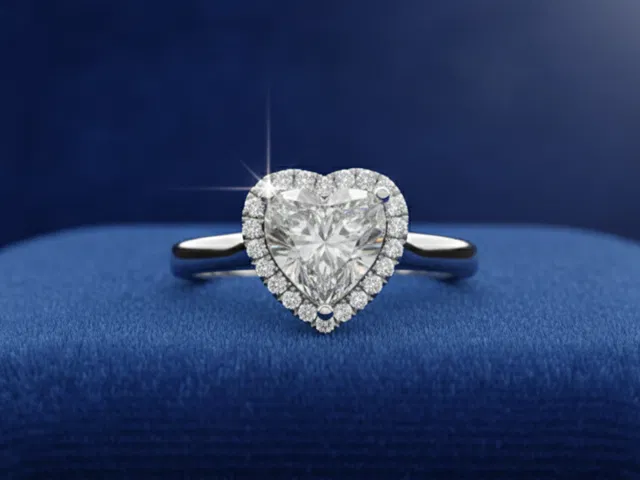
White gold is a clever alloy originally designed to offer a white metal alternative to platinum. It starts as pure 24-carat yellow gold and is mixed with white metals like nickel, zinc, or palladium to remove the yellow hue. We generally use 18-carat gold, meaning it is 75% pure gold. While gold's price has soared, the process of alloying still allows for the creation of a stunning, versatile white metal option.
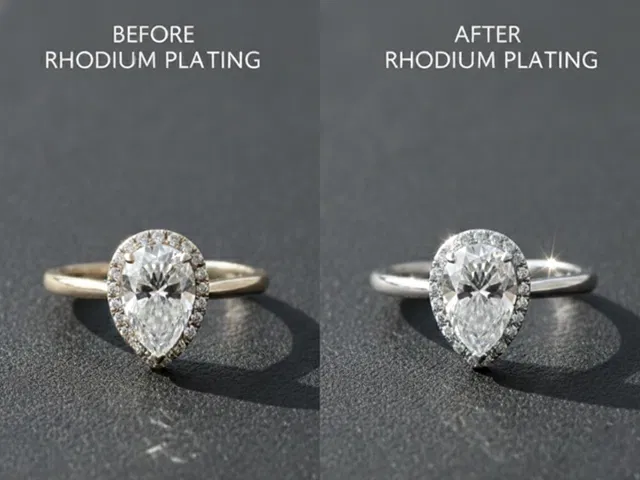
The Coating Factor: Importantly, this final alloy is actually a very light greyish-yellow. To achieve that bright, mirror-like finish you see in the jewellery box, it is finished with a thin layer of rhodium plating. This plating is what gives white gold its stunning, signature bright white shine—but it's also the factor that dictates its maintenance schedule.
2. Durability & Wear: How Time Affects Your Metal
While both platinum and white gold are highly durable and strong enough to hold your precious diamonds, they age and wear in fundamentally different ways. This is where the long-term decision really comes into play.
Platinum's Patina of Character
Platinum is unique because of its high density and composition. When scratched, the metal is not actually lost; instead, the tiny grooves simply displace the metal, creating what is known as a patina.
The Patina Effect: Over time, this cumulative displacement of metal gives the surface a soft, matte finish that many wearers adore. It retains the metal mass, but the surface shine subtly dulls. If you prefer the original mirror-like polish, your piece can be easily re-polished by a jeweller, but many owners view this evolving patina as a sign of character and a testament to the piece’s journey. This is a key reason why platinum is so highly prized for diamond settings—it is less likely to lose mass, providing superior long-term security for your stone.
White Gold's Need for Refresh
White gold, being an alloy, is inherently harder than pure platinum. However, its aesthetic depends entirely on that exterior rhodium layer.
Rhodium Wear: Because the rhodium plating is so thin, it naturally wears down over time, especially on the underside of a ring, the clasp of a necklace, or the edges of a bracelet. As the plating wears off, the underlying greyish-yellow tone of the gold alloy becomes visible.
Maintenance: To restore its bright, mirror-like white finish, white gold requires professional re-plating every 12 to 18 months, depending on wear. While the initial cost of white gold may be lower than platinum, this ongoing maintenance must be factored into the overall lifetime cost of your jewellery.
3. The Health and Value Factor
Beyond appearance and maintenance, two final factors often swing the decision: potential allergies and the current cost structure.
Hypoallergenic Factor: Comfort is Key
For those with sensitive skin, platinum is often the safest choice. Being nearly 95% pure, platinum is naturally hypoallergenic. In contrast, while rare, some white gold alloys contain nickel, which is a common skin irritant. If you have known metal sensitivities, platinum jewellery offers peace of mind.
Cost and Long-Term Value: A Comparative Look
Given the recent shifts in precious metal markets, the traditional pricing model has changed. Currently, white gold is higher in initial cost than platinum due to current gold market pricing, whereas platinum is currently lower in initial cost. Platinum is denser and maintains its mass over time, while white gold is lighter but requires costly, regular re-plating.
Conclusion: Which Metal is Right for You?
Both platinum and white gold are superb choices for holding a diamond, and both offer excellent durability and beauty. The right decision ultimately comes down to your preferences; whichever metal you choose, rest assured that you are investing in a beautiful piece designed to last for generations. CompareTheDiamond.com is here to help you find your perfect white gold or platinum diamond piece today.