
From ancient artefacts to modern masterpieces, platinum has carved out a unique and esteemed place in the world of fine jewellery. Known for its exceptional strength, remarkable malleability, and radiant white lustre, this precious metal has captivated designers and wearers for centuries, embodying timeless elegance and unparalleled durability. But how did this relatively "new" discovery rise from an overlooked curiosity to become one of the most coveted and essential luxury metals in the jewellery world? Let's delve into the fascinating and multifaceted platinum history to uncover its journey, from forgotten "little silver" to a symbol of enduring value.
Early Encounters and Overlooked Beginnings: A Slow Burn for Platinum
While gold has been cherished and worked by civilisations for millennia, the documented platinum history in the Western world is a much more recent tale, largely beginning with the age of exploration. Spanish conquistadors, venturing into the rich mineral veins of South America in the 16th century, were the first Europeans to encounter platinum. They often found it alongside gold in riverbeds, but to their frustration, it proved difficult to separate and work with using their existing technologies. Dismissing it as an impurity, they labelled it "platina," meaning "little silver," and frequently discarded it, believing it to be an inferior, unripe form of silver that would somehow eventually "mature" into gold. Little did they know, they were discarding a treasure far rarer and, in many respects, more valuable than the gold they sought.
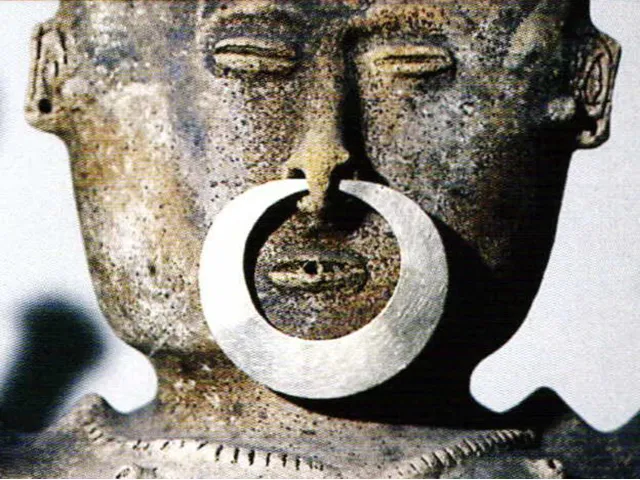
However, historical evidence suggests that platinum's story might stretch back even further than European discovery. Intriguingly, archaeologists have unearthed tiny platinum inclusions in ancient Egyptian burial artefacts, specifically in a sarcophagus from Thebes dating back to the 7th century BC. This hints at an incredibly early, albeit perhaps accidental, encounter with the metal. More concretely, pre-Columbian civilisations in Ecuador, particularly the La Tolita culture (600 BC – AD 200), possessed a remarkable understanding of platinum. They crafted intricate nose rings, figurines, and ceremonial objects by expertly fusing tiny grains of platinum with gold, a sophisticated metallurgical technique known as sintering, given the lack of high-temperature furnaces. This demonstrates an impressive, early appreciation for platinum's distinct qualities, long before its formal "discovery" by Europeans.
The Rise to Royal Favour: From Scientific Curiosity to Regal Endorsement
It wasn't until the 18th century that platinum truly began to capture the serious attention of European scientists and, subsequently, royalty. The scientific community, particularly in Spain and France, started to unravel its unique properties. Men like Antonio de Ulloa and Charles Wood brought samples back to Europe, sparking scientific curiosity. French goldsmiths, renowned for their innovation, were among the first to experiment with the metal, intrigued by its non-tarnishing nature and brilliant white sheen.
A pivotal moment in platinum’s history came with King Louis XVI of France. Fascinated by its rarity and resistance to tarnish, he famously declared platinum "the only metal fit for kings." This powerful royal endorsement, coupled with the work of chemists like Antoine Lavoisier, who developed techniques to purify and melt platinum, undoubtedly boosted its status from a scientific oddity to a symbol of exclusivity and prestige. Pieces of platinum cutlery and decorative items were commissioned for the French court, solidifying its reputation as a luxurious material. However, working with platinum remained incredibly challenging due to its extraordinarily high melting point (1,768°C or 3,215°F). Early jewellers still largely resorted to sintering techniques or alloying it heavily with gold to make it workable, which limited the complexity and scale of designs.
The Edwardian and Art Deco Eras: Platinum's Golden Age in Jewellery
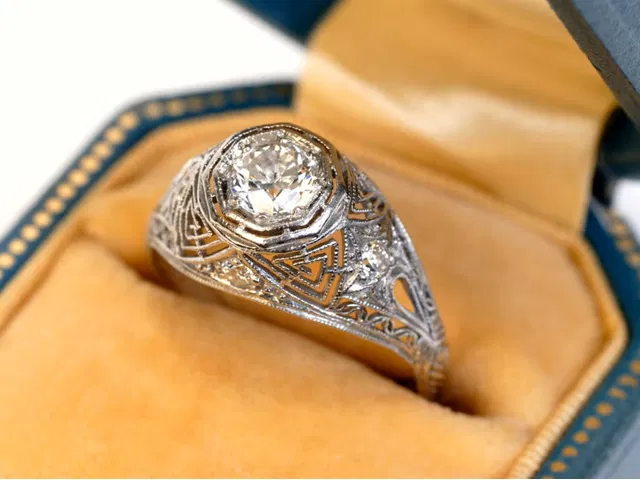
The true explosion of historical platinum jewellery came in the late 19th and early 20th centuries, particularly during the elegant Edwardian (1901-1910) and glamorous Art Deco (1920s-1930s) periods. This transformative era for platinum was largely thanks to significant advancements in metallurgical techniques. The invention of the oxy-hydrogen blowpipe and later the oxy-acetylene torch provided the intense heat necessary to melt and manipulate pure platinum with greater ease and precision.
This technological leap coincided perfectly with a burgeoning demand for elaborate, diamond-heavy jewellery. Platinum's natural, pure white colour and remarkable strength made it the absolute ideal setting for showcasing the unparalleled brilliance and fire of diamonds. Unlike silver, which tarnished readily and required frequent polishing, or white gold (which, before rhodium plating became common, often had a yellowish tint), platinum retained its pure, bright sheen indefinitely. This meant that jewellers could create incredibly delicate, intricate, and openwork designs, often referred to as "filigree" or "millgrain" work, allowing maximum light to enter the diamonds from all angles. The diamonds appeared to float, unencumbered by a yellow metal, maximising their sparkle. Many exquisite and elaborate durable rings, brooches, necklaces, and tiaras from this era stand as timeless testaments to platinum's suitability for the most high-end and detailed jewellery craftsmanship.
Renowned jewellers of the time, such as Cartier, Tiffany & Co., and Fabergé, were instrumental in popularising platinum. They created breathtaking pieces for royalty, aristocrats, and the newly wealthy, firmly cementing its reputation as a sophisticated, modern, and highly desirable metal for the most luxurious adornments. The ability to craft extremely fine, yet incredibly strong, prongs and delicate latticework truly revolutionised jewellery design, ushering in an era of unparalleled elegance and intricate artistry.
Wartime Setbacks and Modern Revival: The Enduring Appeal of Platinum
The mid-20th century saw a temporary, but significant, dip in platinum's widespread use in jewellery. During World War I and particularly World War II, platinum was declared a strategic metal due to its vital uses in critical military and industrial applications, such as in catalytic converters, scientific instruments, and aircraft engine components. Its use in non-military industries, including jewellery manufacturing, was severely restricted, or even banned in some countries like the United States. This period led to a dramatic surge in the popularity of white gold as an alternative, a trend that continued for decades.
However, one could not ignore platinum's inherent, superior qualities for long. Its exceptional durability (it's significantly denser and stronger than gold), its unparalleled resistance to tarnish, its truly hypoallergenic properties (making it ideal for sensitive skin), and its characteristic ""patina"—a dulling of the surface rather than material loss – ensured its gradual but steady resurgence in the late 20th century. By the 1990s, platinum had firmly re-established itself as the ultimate choice for premium jewellery.
Final Thoughts: Platinum – A Legacy of Durability and Unrivalled Luxury
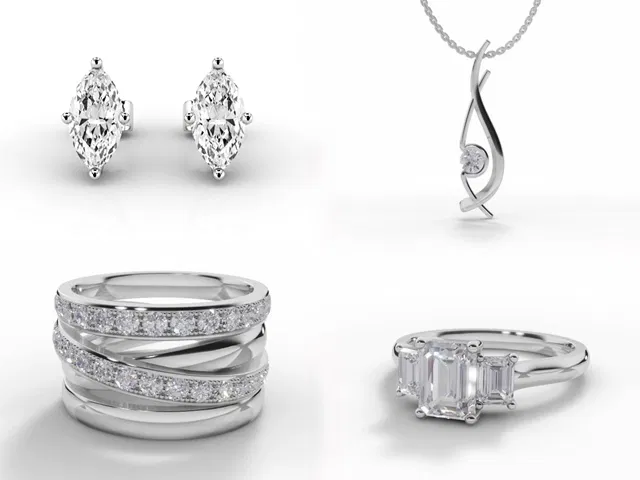
Today, at comparethediamond.com, platinum remains a highly sought-after material, particularly for engagement rings, wedding bands, and high-end, statement jewellery. Its purity (typically 95% pure in jewellery, compared to 75% for 18ct gold) combined with its density and remarkable resistance to wear and tear, makes it not just a beautiful adornment, but a truly sound investment that is designed to last a lifetime and beyond.
From its humble beginnings as an overlooked "little silver" by European explorers to its current status as a universal symbol of enduring love, commitment, and ultimate luxury, the platinum history is a fascinating and compelling journey. Its unique combination of strength, purity, and timeless beauty continues to make it the metal of choice for those seeking durable rings and heirloom-quality pieces that will withstand the test of time, passing through generations. Platinum, with its quiet elegance and formidable resilience, truly proves that some forms of beauty, and indeed, true strength, never go out of style.