
Choosing between platinum vs white gold is one of the most common dilemmas for jewelry buyers. Both metals offer elegance, shine, and durability, but they differ in price, color, weight, and long-term value. In this article, we will break down all the essential details so you can make an informed decision before buying your next piece of jewelry.
What Is Platinum Jewelry?
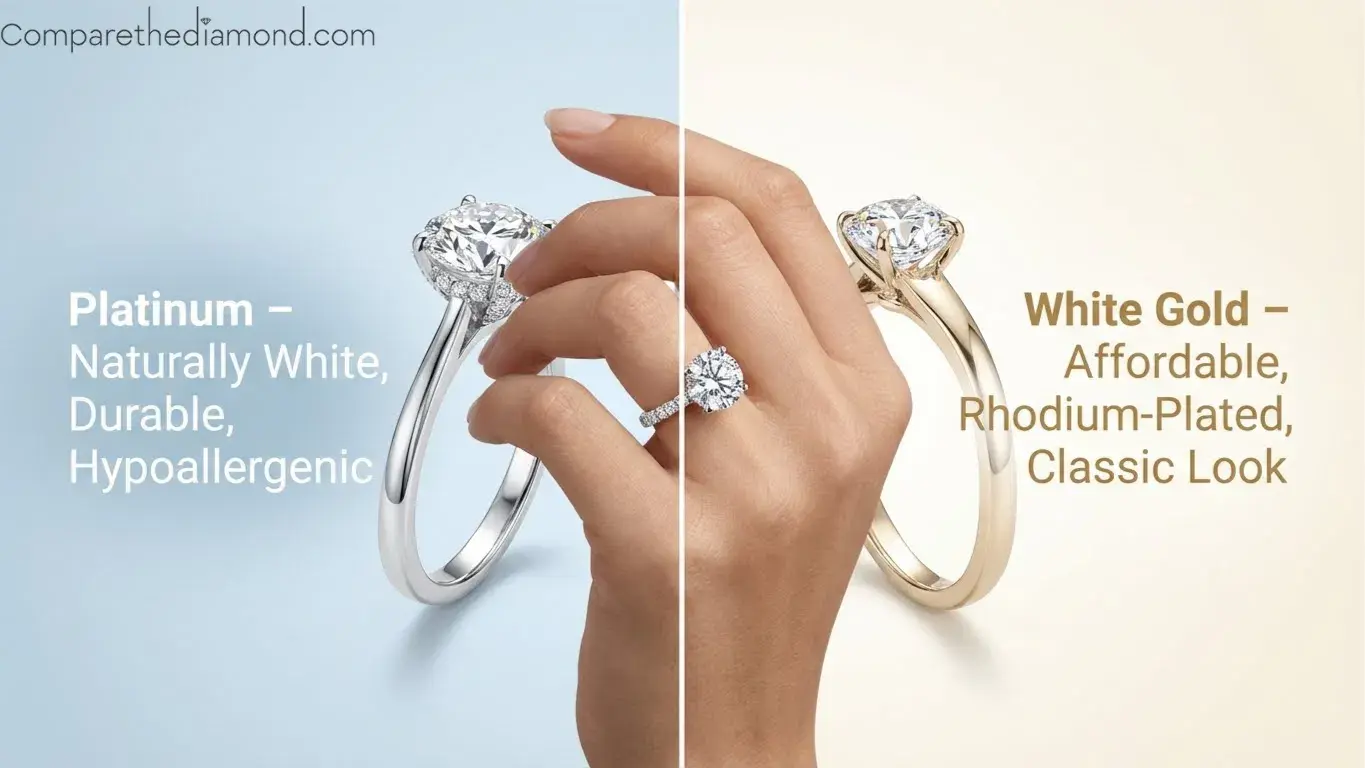
Before comparing, it’s important to understand what is platinum jewelry. Platinum is a naturally white metal, renowned for its durability, hypoallergenic properties, and high purity. Unlike other metals, platinum is dense and heavy, which gives jewelry a luxurious feel.
-
Durability: Platinum is extremely resistant to wear and corrosion, making it ideal for everyday jewelry.
-
Purity: Most platinum jewelry is 90–95% pure, which adds to its value.
-
Appearance: Platinum maintains its white color naturally without the need for plating.
Color Comparison: Platinum vs White Gold Color
When comparing platinum vs white gold color, there are some important points to note:
-
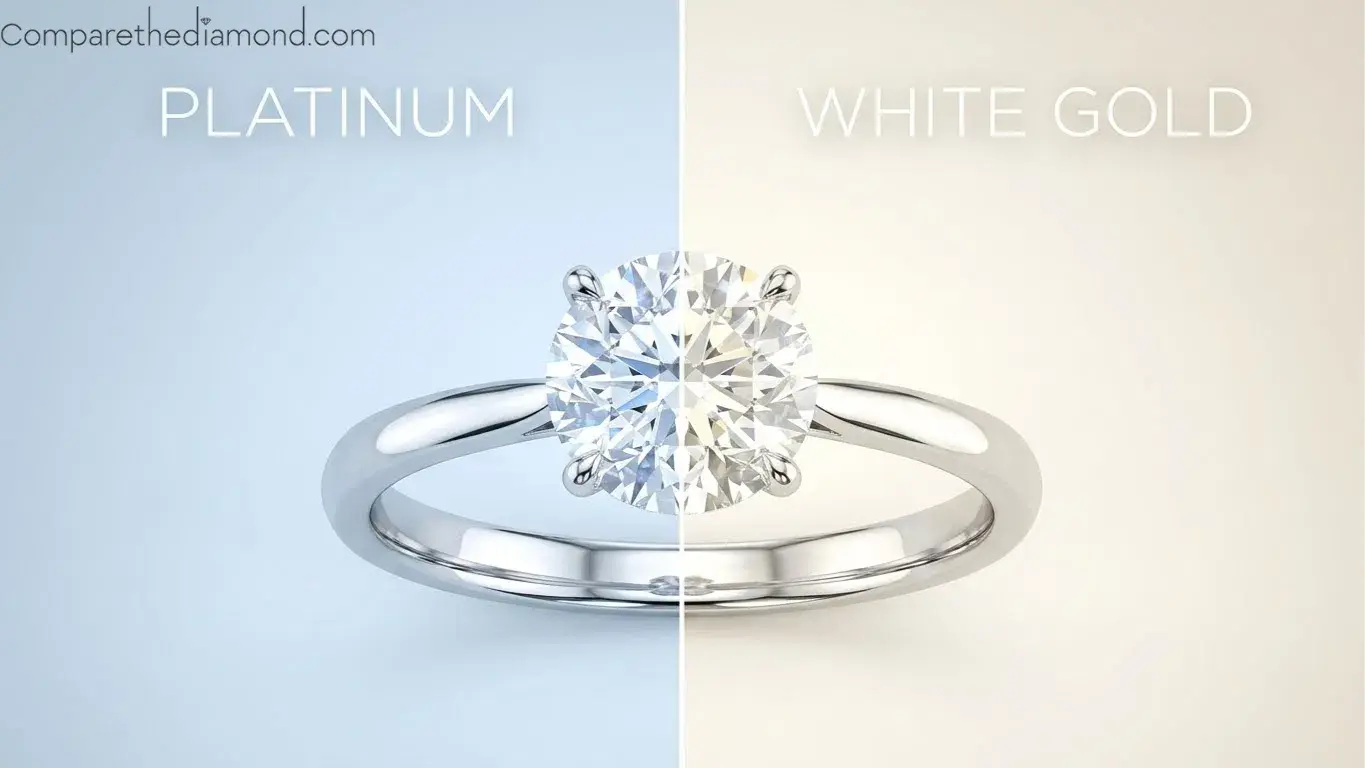
Platinum has a natural silvery-white hue that does not fade over time.
-
White gold is usually alloyed with other metals and coated with rhodium plating to achieve a shiny white appearance.
-
Over time, white gold may need replating to maintain its bright white finish, whereas platinum keeps its natural color.
So, if you want long-lasting natural white shine, platinum has the advantage.
Price Comparison: Platinum vs White Gold Price
Cost is one of the biggest factors for buyers. Let’s look at platinum vs white gold price:
-
Platinum jewelry is more expensive due to its rarity, density, and higher purity.
-
White gold jewelry is more affordable, but the rhodium plating and gold content affect its long-term maintenance costs.
Many people ask, “Is white gold more expensive than platinum?” Generally, platinum costs more, but the exact price difference depends on design, weight, and craftsmanship.
Durability and Longevity: Is Platinum Better Than White Gold?
A common question is, “Is platinum better than white gold?” Here’s how they compare:
-
Platinum: Extremely durable, resistant to scratches, and maintains its weight over time. It’s ideal for engagement rings and jewelry worn daily.
-
White Gold: Durable but softer than platinum, and prone to scratches. It may require periodic replating.
If durability and longevity are your priorities, platinum is often considered the superior choice.
Value Considerations: Platinum vs Gold Value
When comparing value of platinum vs gold, consider the following:
-
Platinum is rarer than gold, which often makes it more expensive per gram.
-
White gold’s value fluctuates with the gold market price.
-
Platinum’s investment value is typically higher in the long term because of its rarity and demand.
Making the Right Choice
Deciding between platinum vs white gold depends on your priorities:
-
Choose Platinum if: You want durability, natural white color, hypoallergenic metal, and long-term investment.
-
Choose White Gold if: You prefer a lower upfront cost, traditional elegance, and don’t mind occasional maintenance.
Both metals have their unique advantages, but knowing the differences in color, price, durability, and value will help you make the right decision.
FAQs: Platinum vs White Gold Engagement Rings
Q: Which is more durable, platinum or white gold?
Ans: Platinum wins for durability. It is denser and resists scratches better, making it perfect for heirloom jewellery.
Q: Which is better for sensitive skin?
Ans: Platinum is hypoallergenic, while white gold may contain nickel, which can cause irritation.
Q: Does white gold need regular maintenance?
Ans: Yes. White gold requires rhodium re-plating every few years, while platinum is low-maintenance.
Q: Is platinum heavier than white gold?
Ans: Yes. Platinum is denser and feels heavier on the finger.
Q: Can both metals hold diamonds securely?
Ans: Yes, but platinum’s strength provides extra security for precious stones.
Q: What about resizing?
Ans: Platinum requires specialist jewellers and laser tools. White gold is easier to resize with traditional methods.