
It was Easter weekend, 2015, when a group of elderly men, with an average age of 60, pulled off one of the largest burglaries in British history. This wasn't a sleek, high-tech operation involving laser grids and biometric scans. This was a job of brute force, meticulous planning, and an almost nostalgic dedication to the craft of safe-cracking. The target: the Hatton Garden Safe Deposit Company in London's famous jewellery quarter.
The Score: Untold Riches in Hatton Garden
The sheer scale of the theft was staggering. The thieves drilled through a 50cm thick concrete wall to access the vault, then painstakingly forced open 73 safe deposit boxes. The contents? An estimated £14 million (over $17 million USD) in jewels, gold, and, of course, a dazzling array of diamonds. While no single "star" diamond was identified like a famous museum piece, the haul consisted of countless high-value individual stones and bespoke pieces, each with its own story, now lost to the annals of crime.
Imagine the glittering cascade of diamonds they unearthed. While specific details of each stone are scarce due to the nature of the crime, we can certainly picture the kind of gems stored in such a prestigious vault.
The Modus Operandi: Old Dogs, New Tricks (and Old Ones)
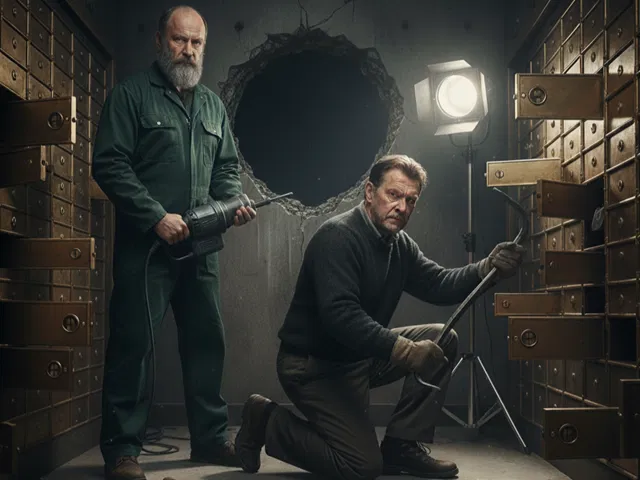
The gang, led by the likes of Brian Reader, Terry Perkins, Daniel Jones, and John Collins, were career criminals, but their methods for this particular job were surprisingly low-tech and incredibly persistent. They used heavy-duty equipment, including a Hilti DD350 core drill, to bore three large holes through the reinforced concrete wall of the vault.
This wasn't a quick smash-and-grab; it took them two nights of work, interrupted by the alarm system which, ironically, was not responded to by the security company or police. They then used a 'ram raid' style method, employing a hydraulic expander to force open the individual safe deposit boxes.
Security Failures & The Human Element
The most astonishing aspect of the heist was the failure of the security response. Despite the alarms sounding, no one investigated. This oversight allowed the thieves ample time to execute their plan, highlighting that even the most secure physical measures can be compromised by human error or inaction.
The Loot: More Than Just Diamonds
While the media focused on the dazzling diamonds, the Hatton Garden thieves were far from one-trick ponies. Their haul was a treasure trove of every type of luxury item one would expect to find in a high-security vault. They weren't just after sparkle; they were after sheer value.
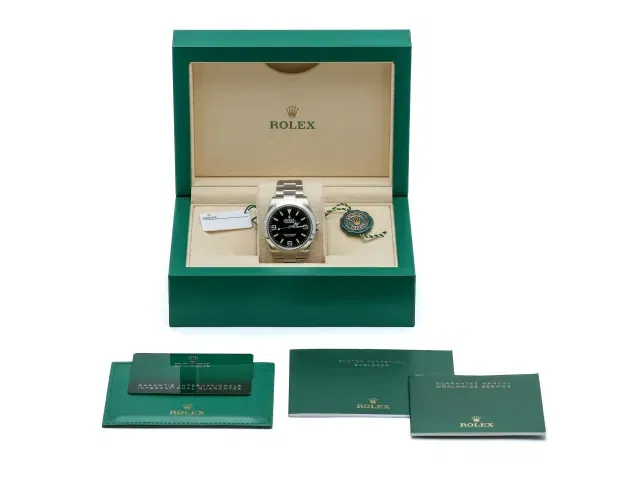
The criminals systematically emptied 73 safe deposit boxes, each one a mystery waiting to be solved. Beyond the brilliant-cut and unpolished diamonds, the loot included a rich variety of precious metals and gems. There were substantial quantities of gold bullion, gleaming bars and intricate coins, highly sought-after for their stable value. They also took exquisite watches, some likely vintage and of incredible worth, as well as an assortment of other precious jewels—sapphires, emeralds, and rubies—all contributing to the staggering £14 million total.
This heist wasn't about a single prize. It was a raid on a collective fortune, a testament to the fact that for these career criminals, it wasn't about the romance of a single stone. It was about the cold, hard value of a vast and varied collection of riches.
Historical Context: The Legacy of London's Jewellery Quarter
The choice of Hatton Garden was no accident; it was a raid on the very heart of Britain's jewellery trade. For hundreds of years, this small, unassuming area of London has been the nexus of the diamond and precious metals industry. The streets are a warren of workshops, wholesalers, and family-run businesses, their legacies stretching back generations.
From the late 1700s, Hatton Garden's reputation for gem-cutting and fine jewellery making began to grow. The area became a hub for master craftsmen, skilled artisans, and diamond dealers from across the globe, particularly from Europe's traditional diamond centres. Many of these families came to London seeking new opportunities, bringing with them a rich heritage of expertise and a deep reverence for their craft.
The safe deposit company itself was a modern institution built on this foundation of tradition. For many clients, the boxes within weren't just storage; they were time capsules. They held more than just monetary value—they contained decades, and in some cases, centuries of history. A sparkling Victorian brooch, a string of pearls from a great-grandmother's wedding, a brilliant-cut diamond engagement ring that had seen three generations of love stories—these were the true treasures in the vaults. The thieves weren't just taking objects; they were severing the tangible links to personal and familial histories. This is why the Hatton Garden heist felt like such a violation to the community, striking at the very core of a legacy built on trust and heritage.

The Aftermath: Justice and Recovered Sparkle (Some of It)
The audacious nature of the heist was matched only by the bungled amateurism of its aftermath. The gang, a group of career criminals who should have known better, were brought down by a series of comically simple blunders. Police surveillance caught them bragging openly about their spoils, sharing details of their plan over tracked mobile phones, and clumsily trying to dispose of the stolen goods. The recovery of roughly one-third of the haul was a small victory, allowing some of those precious diamonds and cherished heirlooms to find their way back to their rightful owners.
However, the majority of the loot—an estimated £9 million worth of gems and gold—remains unrecovered. This staggering figure highlights a darker side of the diamond trade: the vast and complex black market where uncertified and unethically sourced diamonds can be sold with no questions asked. For buyers, the lesson is a stark one. When a diamond's history is unknown, its value, and indeed its very legitimacy, can be compromised.
This is precisely why a resource like CompareTheDiamond.com is so vital in today's market. By offering a platform dedicated to providing and comparing GIA & IGI-certified, conflict-free diamonds, we help ensure that every diamond purchased has a clean and transparent history. While the Hatton Garden thieves may have succeeded in getting away with a fortune, the peace of mind that comes with purchasing a certified diamond is a treasure that can never be stolen.