
Most people don't think about jewellery repair until they need it. And when they do, they're often surprised at how their beautiful, "forever" diamond piece ended up damaged.
As diamond specialists, we’ve seen it all. From rings run over by cars to pendants eaten by dogs (seriously). But most repairs fall into a handful of simple, repeatable categories. These are not acts of God—they are often avoidable accidents caused by the three worst enemies of fine jewellery: gravity, cleaning chemicals, and carelessness.
Here are the five most common ways people accidentally damage their diamond rings and how to keep your sparkle safe.
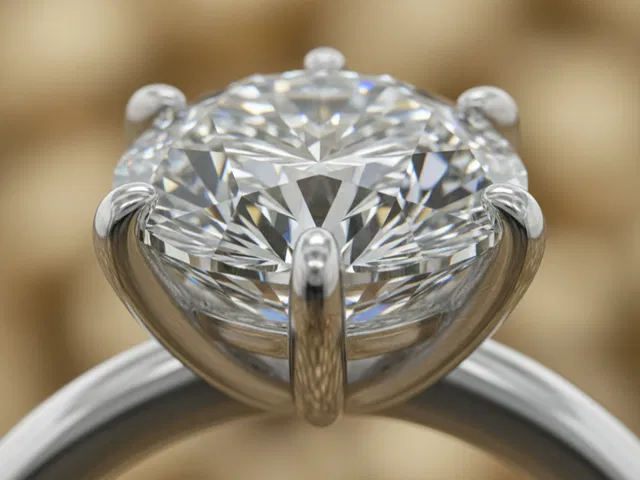
1. The Death Grip: Bending the Claws
The most frequent diamond catastrophe isn't a lost stone; it's a bent or broken claw (what some call a prong).
How it happens: You'd be surprised how little force it takes to shift the tiny pieces of metal holding a diamond in place. This damage usually occurs when you grip something tightly while wearing your ring, like lugging a heavy suitcase, gripping a dumbbell, or moving furniture. The pressure applies a lateral force to the metal setting, which can cause a delicate claw to lift slightly.
The result: A lifted claw can snag on clothing or hair, but, more dangerously, it can loosen its grip on the diamond. A loose stone is a lost stone waiting to happen.
The Fix: A jeweller can generally retip or reshape the claws and tighten the stone. But the best fix is prevention: Take off your rings before any heavy lifting or strenuous gripping activities.
2. The Bleach Battle: Corrosion and Discolouration
While diamonds themselves are impervious to most household chemicals, the metal of your setting is not.
How it happens: Extended exposure to bleach, strong household cleaners, or swimming pool chlorine is corrosive. The most common culprit is aggressively cleaning the kitchen or bathroom without gloves or frequent swimming. Over time, these chemicals can weaken the metal, especially if your ring is white gold (which has a rhodium plating that chemicals strip away).
The result: You won't see an immediate crack, but the repeated chemical exposure makes the claws and band brittle and susceptible to breaking or cracking later. For white gold, the rhodium plating will quickly erode, leaving behind a dull, yellowish tinge.
The Fix: A professional polish and sometimes a re-plating (for white gold) can restore the shine. To prevent this, always remove your ring before swimming in a pool, using household cleaners, or applying strong beauty products like hairspray.
3. The Sink Slip: Caught in the U-Bend or Drain
We all know we shouldn't shower with our rings on, but the kitchen and bathroom sinks are the ultimate diamond danger zones.
How it happens: This is the classic "I took it off to wash my hands/dishes, and I knocked it off the edge of the counter" scenario. Worse, for UK homes, is taking it off near the sink and having it disappear down the plug hole when the water is running. While waste disposal units are uncommon here, any ring that slips down the plumbing is a nightmare to retrieve.
The result: If the ring goes down the drain, you'll need a plumber, but the ring itself is usually fine once retrieved. However, the anxiety and the plumbing costs are a massive headache. The key danger is the hard surface of the ceramic basin or tiles—a sharp drop can cause chips.
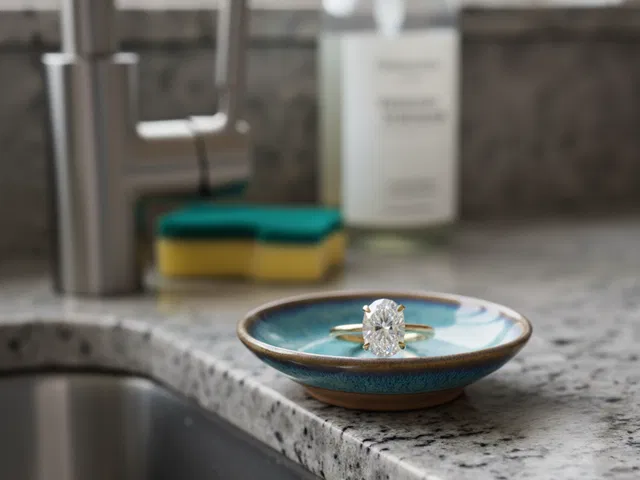
The Fix: Depending on the damage, this can range from a simple repolishing to an expensive full repair. Rule of thumb: If you take your ring off, place it immediately into a designated trinket dish or jewellery box left near the sink for this purpose.
4. The Knock-Out Blow: Impact and Chipping
"Diamonds are the hardest substance on earth" is true, but they are not indestructible. They are hard, but they can be brittle.
How it happens: A diamond is incredibly resistant to scratching, but a sharp, direct blow at a weak point (like the girdle, the thin edge of the stone) can cause it to fracture or chip. This often happens when you slam your hand into a car door, hit the corner of a worktop or table, or drop the ring onto a tile floor.
The result: A chipped diamond requires professional repair, which usually involves re-cutting and re-polishing the stone to remove the chip. This can result in a smaller diamond, significantly affecting its carat weight and value.
The Fix: Re-cutting is the only option. Be mindful of your hands when moving around hard surfaces, and always check the security of your stone after a known impact.
5. The "I'll Do It Later" Setting Failure
This is the sneaky killer: ignoring small signs of wear and tear.
How it happens: Your ring's claws, shanks, and settings need occasional maintenance just like your car does. Over time, due to the tiny impacts of daily life, claws become thinner, and small stones in a pavé setting can work loose. Ignoring the faint rattle, the snagging claw, or the slight discolouration is the biggest risk factor.
The result: A stone—large or small—will eventually fall out. A loose stone is often lost forever because the owner ignored the warning signs that were evident for weeks or even months.
The Fix: Schedule a professional clean and inspection every 12-18 months. Our expert goldsmith will check all the claws, tighten any loose stones, and clean accumulated grime that hides early signs of damage. This simple maintenance is the best insurance policy you can buy.
The Takeaway
Your diamond ring is built to last a lifetime, but that guarantee is based on you being a responsible owner. While a ring left unworn in a jewellery box would likely remain pristine indefinitely, damage to a diamond or its setting is almost exclusively a result of being worn during daily activities. Be mindful of your activities, use a designated jewellery dish, and never skip your annual CompareTheDiamond.com professional check-up.