
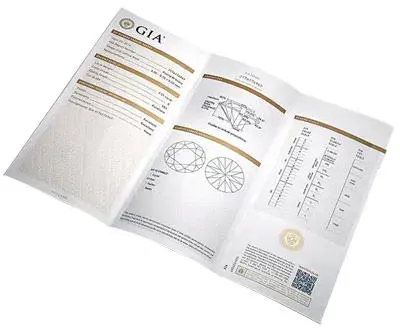
Most people don’t realise how important diamond certification is until they see the same “looking” diamond listed at two very different prices. The photos look similar, the jewellery setting looks similar, and the seller descriptions sound confident. Then you notice the difference: one diamond comes with a recognised grading report, and the other comes with a certificate from a lab you’ve never heard of. That’s usually the moment buyers understand that a diamond isn’t only about sparkle. It’s also about proof.
A diamond certificate, also called a diamond grading report, is often considered the fifth C after cut, colour, clarity, and carat. It’s the document that validates what you are being told about the stone. Without a reliable report, you’re not comparing like for like, and you can’t know whether the diamond’s quality is being described strictly, loosely, or simply optimistically.
What Is a Diamond Certificate?
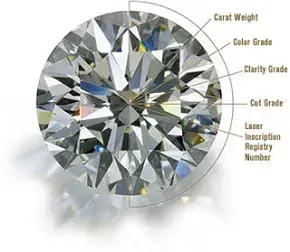
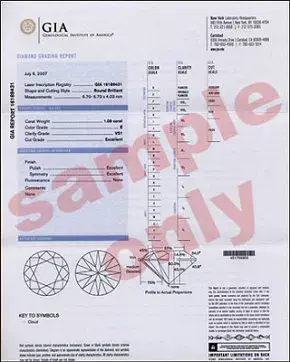
A diamond certificate is an independent report that describes a diamond’s characteristics. It typically includes the 4Cs and additional details such as measurements, polish, symmetry, and sometimes fluorescence. The reason this document matters is simple: it gives you a standard reference point. When a certificate is issued by a reputable laboratory, it allows buyers and sellers to speak the same language.
It’s also important to understand what a certificate is not. A grading report is not a promise of future value, and it is not an insurance valuation. It’s an expert opinion describing the stone at the time it was examined.
GIA Diamond Certificate Explained
If you’re trying to understand why some certificates carry more weight than others, the GIA diamond certificate is the best place to start. The Gemological Institute of America is one of the most recognised names in diamond research and grading, and it’s widely associated with the development and standardisation of the 4Cs.
When a diamond is graded by GIA, buyers often feel more confident that the grade reflects strict and consistent standards. That confidence is not about branding, it’s about comparability. When you’re spending serious money, being able to compare a diamond’s quality across listings matters.
Diamond Certification Labs You’ll Commonly See
There are other laboratories with strong reputations that follow established grading methods and are widely recognised in the industry. The labs below are among the best-known international gemological centres:
- GIA (Gemological Institute of America)
- AGS (American Gemological Society)
- HRD (Antwerp World Diamond Centre)
- IGI (International Gemological Institute)
- EGL (European Gemological Laboratory) is sometimes seen historically, but many sellers avoid it because grading consistency has been debated over the years.
When comparing diamonds, the key point is not that one lab is “good” and another is “bad” in every case. The key point is that grading strictness and consistency can vary, and those variations can change how a diamond is priced. A diamond that looks like “good value” on paper may simply be graded more generously.
GIA vs IGI vs HRD vs AGS: Why Reports Can Differ
Many buyers assume a grade is a grade, but diamond grading is not an exact science in the way weighing a diamond is. It combines measurement with expert judgement. That’s why reputable labs include disclaimers and why different labs can sometimes grade the same stone slightly differently.
In practice, this is what it means for a buyer: if you’re comparing diamonds across different labs, you may not be comparing them fairly. A diamond graded one way by a strict lab might receive a slightly better grade elsewhere, which can make the price look attractive even if the diamond is not truly equivalent in quality.
Diamond Report vs Diamond Valuation or Appraisal
This is one of the most common areas of confusion in diamond buying. A diamond grading report describes quality characteristics like the 4Cs. A diamond valuation or appraisal is an estimate of monetary value, often used for insurance.
They serve completely different purposes. A valuation may be influenced by retail pricing assumptions and can vary widely. A grading report is meant to describe the diamond itself. If you want to buy with confidence, insist on a proper diamond certificate first, then consider appraisal separately if you need insurance coverage.
Why “No-Name” Diamond Certificates Can Be Risky
A certificate is only as useful as the lab behind it. If a diamond report comes from an unknown laboratory or a jewellery shop issuing its own certificate, the grading might not be consistent, unbiased, or comparable. That doesn’t always mean the diamond is poor, but it does mean you have less certainty.