
Diamonds have long been celebrated for their brilliance, beauty, and luxury, often seen in engagement rings, necklaces, and other fine jewellery. But did you know diamonds might soon play a crucial role in oral health? Advances in nanodiamonds are transforming dental care, providing innovative solutions for bone repair, dental implants, and even cancer therapy. Let’s explore how nanodiamonds in dentistry could shape the future of oral health.
What Are Nanodiamonds?
Nanodiamonds are tiny diamonds, typically measuring just 4–5 nanometres in diameter, making them invisible to the naked eye. These diamonds are real, mined or synthetically created in laboratories, and have unique properties that make them highly effective in delivering proteins and other therapeutic molecules. Because of their extremely small size, nanodiamonds in medicine are being explored for a variety of uses, from drug delivery to enhancing bone regeneration. In the dental world, their potential to assist with bone repair and oral health has researchers excited about the future of nanodiamond applications in dentistry.
The Many Uses of Diamonds Beyond Jewellery
While diamonds have traditionally been associated with jewellery, their unique properties have made them invaluable in fields like engineering, pollution monitoring, aerospace, and medical lasers. Over the last few years, nanodiamonds in medicine have garnered attention for their potential in a variety of medical applications. Researchers are particularly focused on their use in bone repair, cell regeneration, and as an innovative approach to treating complex oral conditions. Nano diamonds’ ability to deliver proteins directly to damaged bone tissue offers an exciting new avenue for dental health treatments.
Nanodiamonds in Dentistry: A Revolutionary Approach
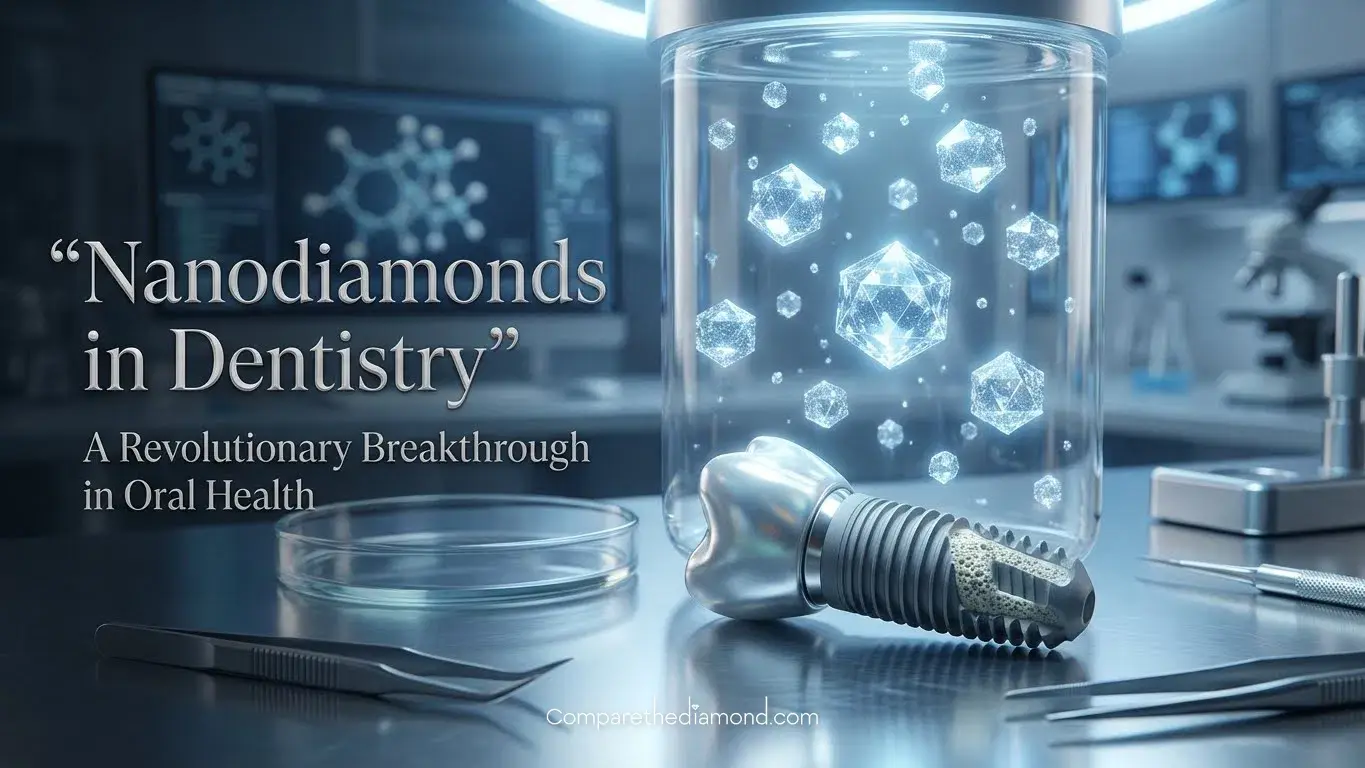
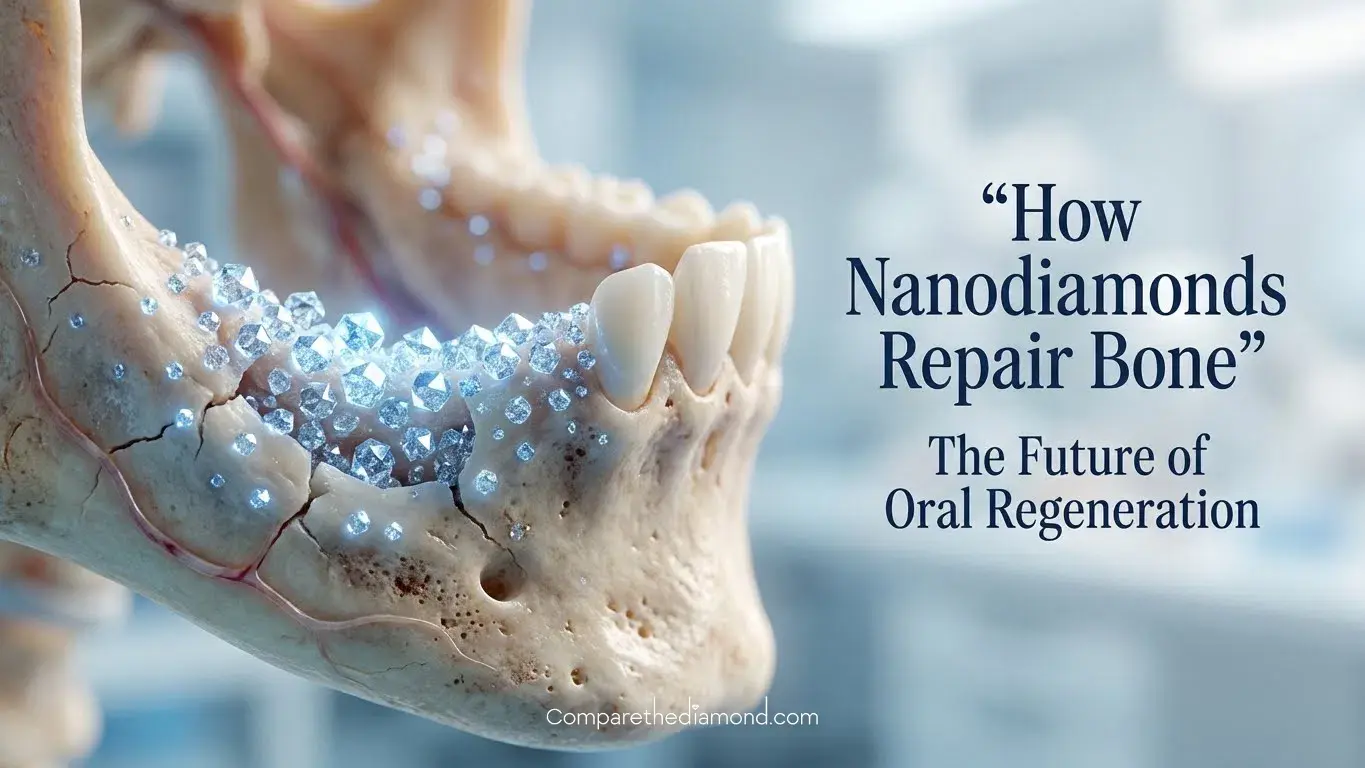
Recent studies, such as the one conducted by the University of California in collaboration with the Japanese Institute of NanoCarbon Research, show the promise of nanodiamonds in dentistry. These studies highlight the ability of nanodiamonds to deliver proteins directly to bone tissue, a key component in repairing damage caused by conditions such as osteonecrosis of the jaw. Nanodiamonds in dental implants and oral surgery could drastically reduce the need for invasive procedures by allowing proteins to be delivered efficiently and precisely, reducing healing time and improving bone regeneration.
What Can Nanodiamonds Do for Oral Health?
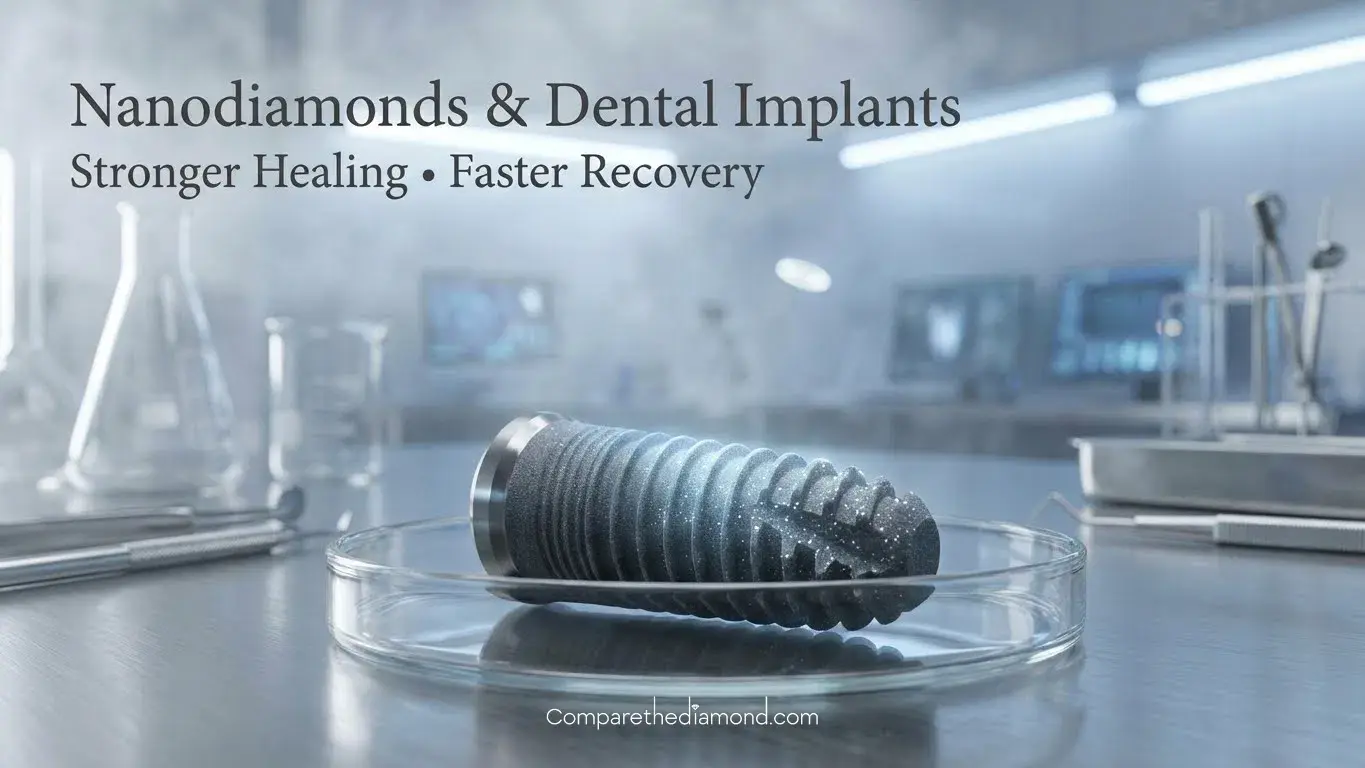
The potential of nanodiamonds goes beyond just cosmetic dental treatments. For example, nanodiamonds in oral health are being explored as a means to enhance the success of dental implants, helping to repair bone damage and promote healing. Instead of relying on traditional methods, such as sponges or costly surgeries, nano diamonds can be applied through simple injections or even mouth rinses, offering a less invasive approach to treating oral diseases. The ability of nanodiamonds to bind and deliver proteins more effectively than traditional methods could significantly improve the outcome of oral surgeries.
The Difference Between Nano Diamonds and Diamond Grillz
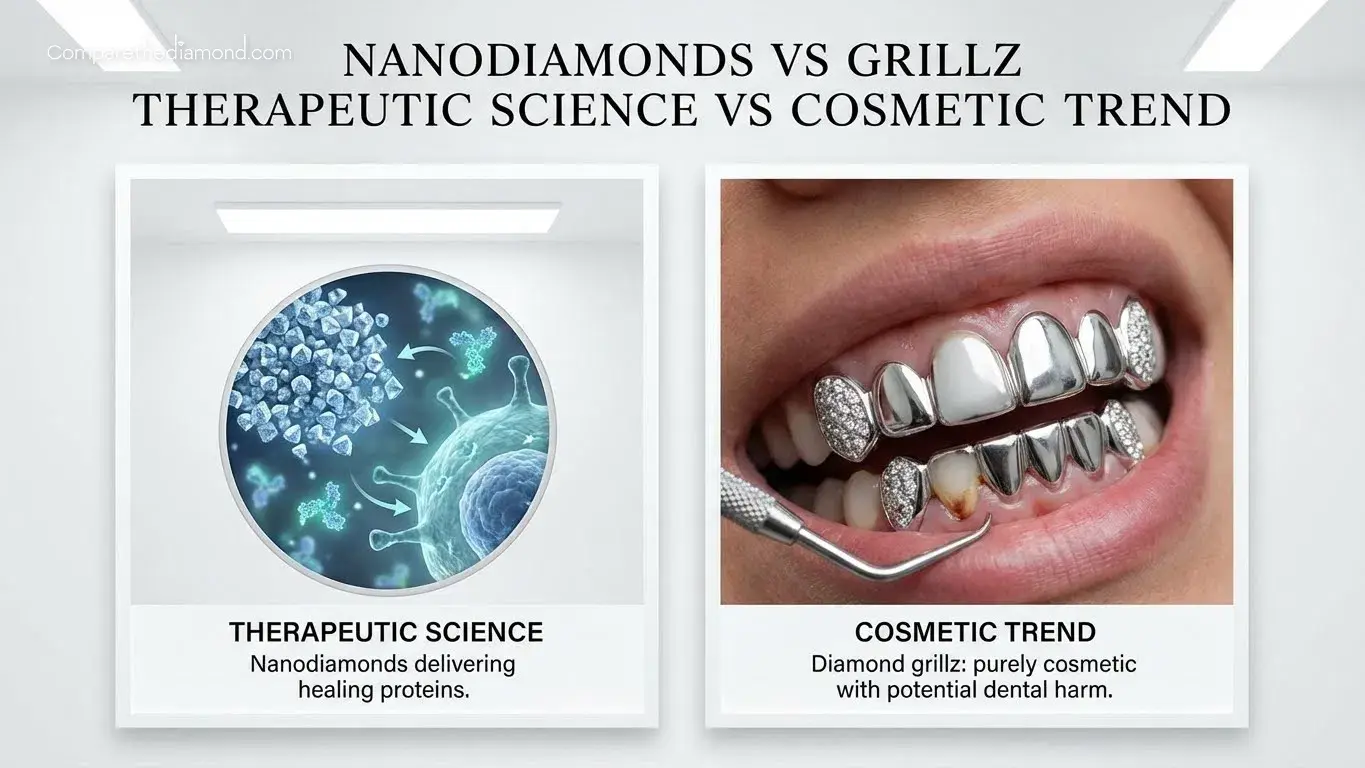
While diamond grillz are a popular trend among celebrities, particularly in the hip-hop community, they are entirely different from nanodiamonds. Diamond grillz are purely cosmetic and can even harm dental health, as they may cause tooth decay, damage, or interfere with proper oral hygiene. In contrast, nanodiamonds are being researched for their therapeutic benefits, such as repairing bone damage, improving dental implant success, and promoting tissue regeneration. These nano diamonds provide dental health benefits far beyond what grillz can offer.
Nanodiamonds in Medicine
The applications of nanodiamonds extend far beyond dentistry. Due to their ability to bind and deliver proteins, nanodiamonds hold great potential in cancer therapy by safely delivering drugs to targeted areas. They could also assist in bone regeneration for those suffering from fractures, osteoporosis, and other bone-related conditions. In addition, nanodiamonds in medicine can be used to enhance the healing of delicate tissues, making them valuable for microsurgery. Early research shows that nanodiamonds can help reduce the side effects of chemotherapy, making them a promising tool in cancer treatment.
The Future of Dentistry and Healthcare with Nanodiamonds
Though the use of nanodiamonds in dentistry is still in the research phase, early results are promising. If successful, nanodiamonds could reduce the need for painful, invasive dental surgeries and make treatments more accessible and effective. As nano diamonds continue to be studied, they may pave the way for a future where oral health treatments are less invasive and more efficient.
The potential of nanodiamonds also extends to other areas of healthcare, where they could play a role in treating osteoporosis, improving blood health, and accelerating tissue healing. Over time, diamonds may no longer just be symbols of love and luxury, but critical tools in the medical and dental fields.
Conclusion
While diamonds have traditionally been admired for their beauty and luxury in jewellery, their nano-scale counterparts are quickly becoming a transformative force in dentistry and healthcare. As research continues, nanodiamonds may hold the key to more effective treatments, less invasive procedures, and improved health outcomes. Whether it’s enhancing dental implant procedures, repairing jaw bone damage, or even delivering life-saving cancer treatments, nanodiamonds are set to become a cornerstone of modern medical science.
For those interested in diamonds for their traditional purposes, ComparetheDiamond.com offers a wide selection of certified diamonds, ensuring both beauty and peace of mind with a 30-day money-back guarantee.